Values are under threat
When the other person's approach seems to threaten what we consider important, the conversation quickly turns tense.
ABOUT CONFLICT RESOLUTION
Conflict does not always mean that people want different outcomes. The Conflict Resolution approach helps you understand what is really behind the tension and find a way to move forward with greater clarity, security, and mutual understanding.
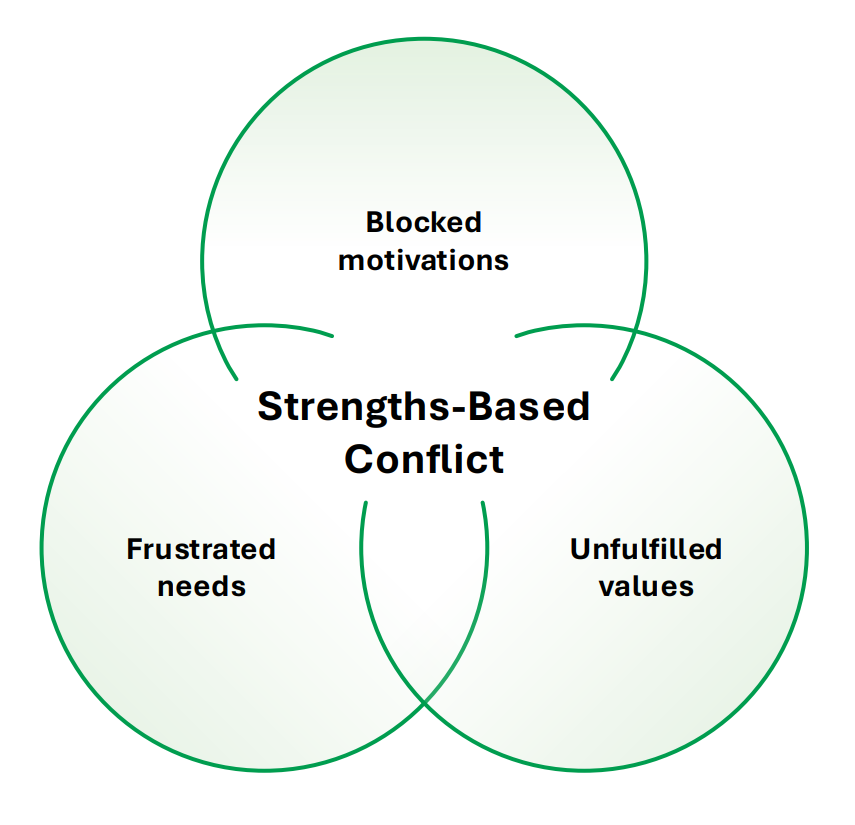
Conflict is usually not just about a difference of opinion. It becomes complicated when a person feels that something important to them is being threatened.
When the other person's approach seems to threaten what we consider important, the conversation quickly turns tense.
People in conflict often defend not only their opinions, but also their natural way of working and thinking.
If defensiveness and blame dominate the conversation, it becomes more difficult to see the real problem and move towards a solution.
When people feel heard and understood, it becomes easier to look for a solution rather than defend their position
Conflict Resolution is an approach that helps to understand what is behind the conflict and to structure the conversation towards a solution. This approach does not simply try to “defuse the situation”, but helps to see what is important to people, what is blocking them and how to find a way forward.
Conflict is a process, not a single event. It begins with perception, involves interdependent people, and is usually about something valuable or limited. In the context of strengths, conflict often arises when two people, each acting from their natural strengths, want a similar outcome but believe that the other's approach threatens what is important to them.
Properly managed conflict can help teams think deeper, make better decisions, and create stronger collaboration.
Various studies on teams clearly show that diverse teams often achieve better results than homogeneous teams.
Conflict can slow down decision-making, but it is this slower processing that often improves the end result. This means that the goal is not to avoid every conflict, but to learn to manage it wisely.
Schedule a consultationConflicts don't look the same. Sometimes they happen between two people, sometimes within a team, and other times between departments or functions.
A conflict between two people, often with unmet needs, compromised values, or blocked motivations in the background

Tension within a team that manifests as mismatched priorities, roles, or norms
Conflict between teams or departments, where each side has a different understanding of what success is and how it should be achieved.
This approach helps not only to “talk out the conflict,” but to structure it towards clarity and action.
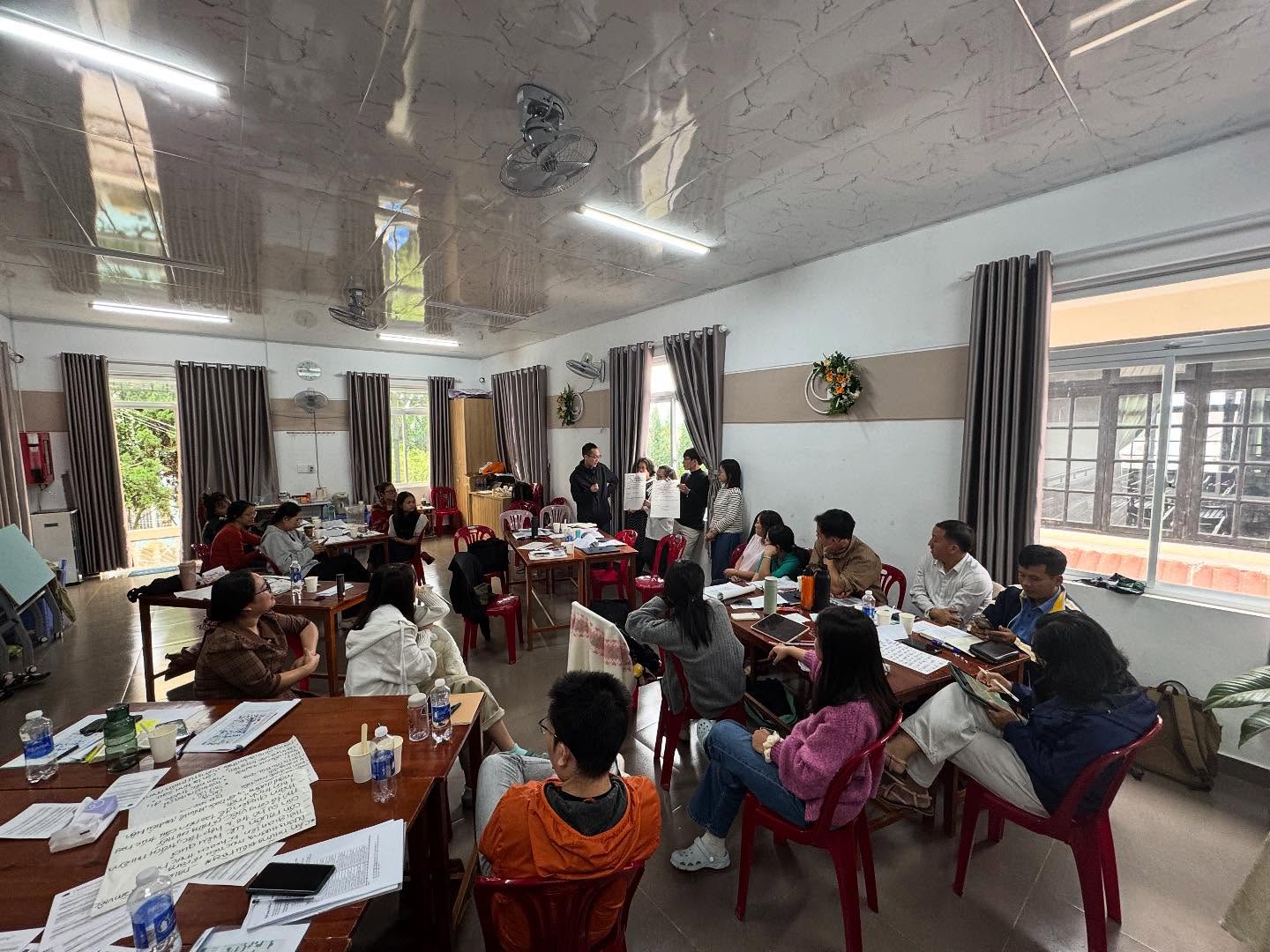
This approach is useful in both individual situations and in teams and organizations where tension affects cooperation, decision-making, and trust.

To conduct complex conversations with greater clarity and less tension
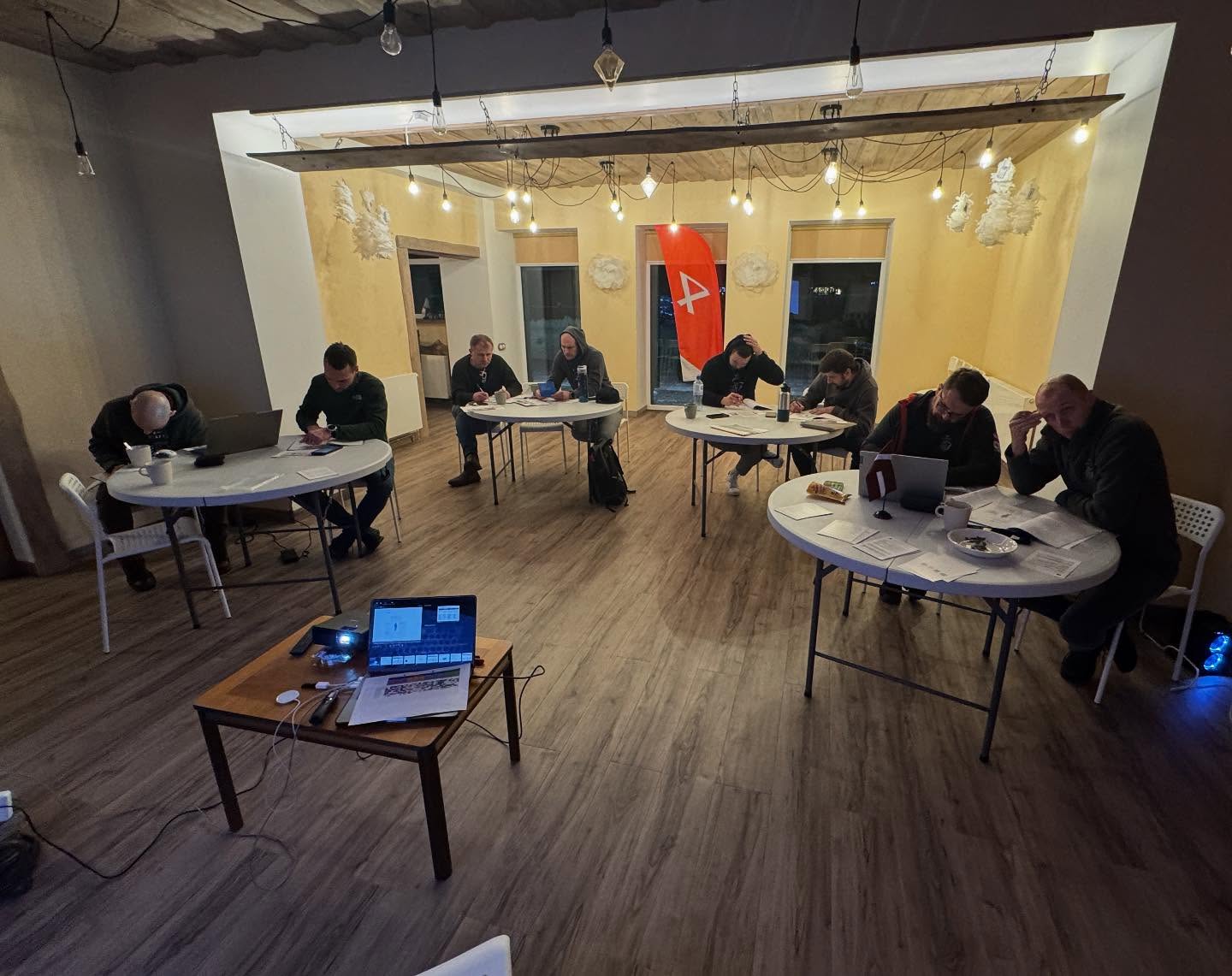
To improve cooperation, trust and the ability to resolve disagreements
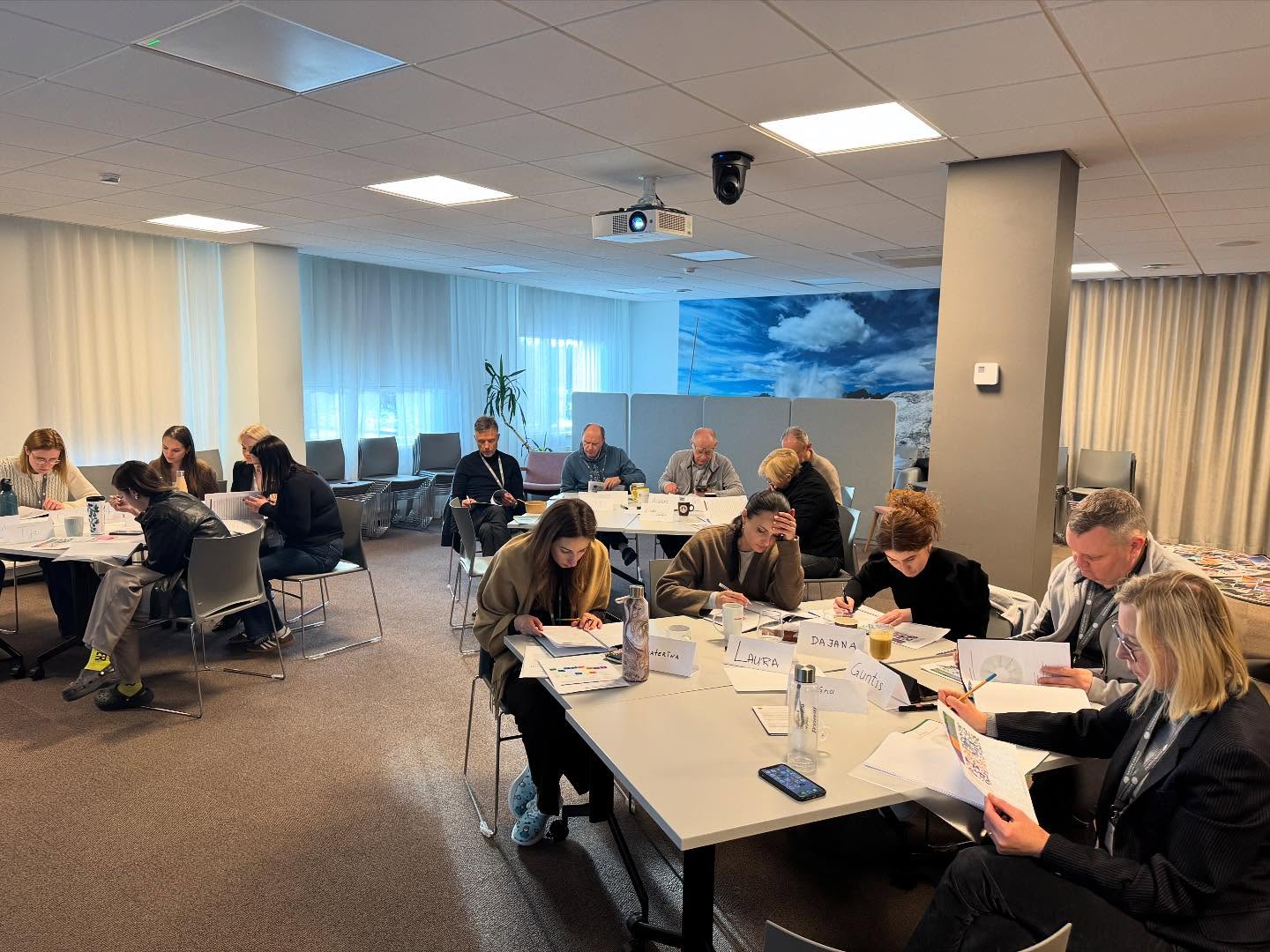
To reduce tension between people, roles and departments.

To resolve disagreements about priorities, role assignments, and approaches to work

To improve collaboration between functions, where each has their own perspective on success

To better understand what exactly hurts in a conflict and prepare for the conversation more constructively.
Answers to questions about the Conflict resolution